■ReadoutGlobal23 Oct 20266 min read
Orforglipron vs oral semaglutide indirect comparison gives Lilly a narrow edge
A Lilly funded analysis bridging ACHIEVE-3 and PIONEER PLUS credits orforglipron with slightly more weight loss and HbA1c lowering in type 2 diabetes. It is a modelled comparison, and Novo has one pointing the other way.
Holds at Approved Mixed or neutral: news, but no net change in prospects.
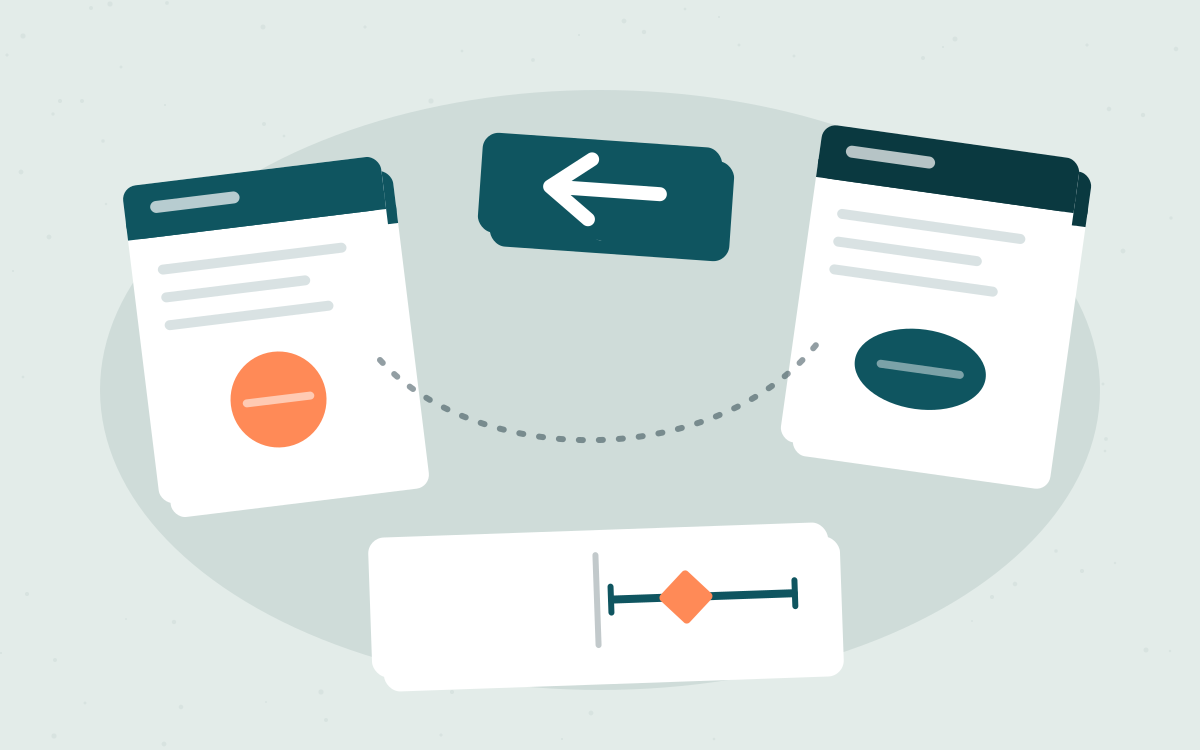
The readA Lilly funded model bridging an open label trial and a double blind one. The direction is consistent across methods, but the margins are small, the lower confidence bound for weight is close to zero, and a Novo analysis of other trials favours oral semaglutide.
Lilly has added a modelled comparison of orforglipron vs oral semaglutide in adults with type 2 diabetes and excess weight. Presented at the EASD 2026 meeting in Milan and announced on 29 September, the analysis credits orforglipron with 1.5 points more weight loss and 0.3 points more HbA1c lowering at 52 weeks. Pharmafile revisited the result on 23 October. The comparison links two separate trials rather than randomising patients to both pills, so it sharpens a marketing argument more than it moves the molecule. Orforglipron stays approved on our board, for weight management in the US.
What the indirect treatment comparison found
An indirect treatment comparison estimates how two drugs would fare against each other when no trial has tested them side by side. Here Lilly took patient data from its own ACHIEVE-3 trial and published results from PIONEER PLUS, a Novo Nordisk study of oral semaglutide, and adjusted for sex, age, baseline HbA1c and baseline weight. The comparison pitted the higher of the two orforglipron strengths in ACHIEVE-3 against the oral semaglutide strength that is sold for weight management but is not approved for diabetes in the US. At 52 weeks, orforglipron was associated with a weight loss advantage of 1.5 percentage points, with a confidence interval running from 2.7 down to 0.2 points. The HbA1c advantage was 0.3 points, with an interval of 0.6 to 0.1 points. Lilly says both differences were statistically significant.
Lilly also ran the numbers through other statistical methods and reports estimates of 1.5 to 2.4 points for weight and 0.3 to 0.6 points for HbA1c, all in the same direction. That consistency is useful but limited, because every method starts from the same two trials and the same imbalances between them. The figures also use the efficacy estimand, which assumes all participants stayed on their assigned drug. The study was funded by Lilly. Rachel Batterham, a senior vice president at the company, said in the release that "head-to-head trials ultimately provide the best comparison of two medicines", a fair summary of where this evidence sits. GlobalData analyst Maria Alexandrovich told Pharmafile that direct studies and longer follow up are needed to establish whether the gaps matter clinically.
Why the two source trials are hard to bridge
The ACHIEVE-3 trial randomised 1,698 adults with type 2 diabetes whose blood sugar was not controlled on metformin. It compared two orforglipron strengths with two lower oral semaglutide strengths, was open label, and lasted 52 weeks. Lilly reports that the higher orforglipron strength cut HbA1c by 2.2 points and body weight by 9.2 percent, against 1.4 points and 5.3 percent for the higher semaglutide arm. PIONEER PLUS was double blind, tested three oral semaglutide strengths, and allowed people on one to three oral glucose lowering drugs. Its participants started from a mean HbA1c of 9.0 percent, against 8.3 percent in ACHIEVE-3. Each of those gaps can change how much weight and HbA1c a group loses, independent of the drug.
At 52 weeks, orforglipron was associated with a weight loss advantage of 1.5 percentage points, with a confidence interval running from 2.7 down to 0.2 points.
| Feature | ACHIEVE-3 | PIONEER PLUS |
|---|---|---|
| Sponsor | Lilly | Novo Nordisk |
| Blinding | Open label | Double blind |
| Background therapy | Metformin only | One to three oral glucose lowering drugs |
| Mean baseline HbA1c | 8.3% | 9.0% |
| Registry number | NCT06045221 | NCT04707469 |
| Role in the comparison | Orforglipron arm | Oral semaglutide comparator arm |
Adjustment for four baseline factors cannot fix differences in blinding or background treatment, which is why such analyses are treated as hypothesis generating. Open label designs can shift adherence and reporting, and a population already on several drugs may respond differently from one on metformin alone. The confidence interval for weight also comes close to zero at one end, so the true gap may be small. The comparison is still informative in one respect: it uses a stronger semaglutide comparator than ACHIEVE-3 did, which answers a common critique of that trial. Readers can see how the class compares across our incretin molecule tracker, where orforglipron sits beside injectable GLP 1 drugs and newer co agonists.
Where Foundayo stands and the counter evidence
Orforglipron, sold as Foundayo, is a small molecule rather than a peptide, but it acts on the same GLP 1 receptor as semaglutide and can be taken without the food and water rules that oral semaglutide needs. The FDA approved it in April 2026 for chronic weight management in adults with obesity, or with overweight and a weight related condition. Pharmacy Times reports that it is not approved for type 2 diabetes in the US, and the Lilly release on the comparison describes the diabetes use as still under study. Novo Nordisk has applied to the FDA for its higher oral semaglutide strength in type 2 diabetes, so the two companies are heading toward the same market.
The evidence also cuts both ways. In April 2026, Novo Nordisk released its own indirect comparison, built on different trials in a weight management population, which favoured the oral semaglutide pill over orforglipron on weight loss and on stopping treatment because of side effects. Two indirect comparisons from two sponsors, each pointing to its own product, are a reminder of how much design choices drive this kind of result. Tolerability is part of the picture too. In ACHIEVE-3, gastrointestinal adverse events affected 59 and 58 percent of people on the two orforglipron strengths, against 37 and 45 percent on oral semaglutide, and discontinuations for adverse events were roughly double. For the debate on orforglipron vs oral semaglutide, the only decisive tool would be a blinded head to head trial at matched strengths.
How we log this orforglipron vs oral semaglutide readout
On our board, this event is a readout with a flat signal and no stage change. The molecule is already approved in the US for weight, and the analysis neither adds a new indication nor reaches a regulator. Its value is commercial. It gives Lilly a talking point for doctors who choose between two daily GLP 1 pills, and it answers the complaint that ACHIEVE-3 used lower semaglutide strengths than the market now offers. Our note on why stage moves differ explains why a modelled comparison of this kind carries less weight than a new randomised trial, even when its confidence intervals exclude zero. It also explains why we score a readout on an approved drug by what it changes, not by how loudly it is announced.
What would move the molecule is a decision on type 2 diabetes. The ACHIEVE programme, of which ACHIEVE-3 is one trial, is the evidence base for that use, and a US approval for diabetes would add a second indication to the Foundayo label. A direct trial against the higher oral semaglutide strength would settle the question these modelled numbers raise. Neither Lilly nor Novo has announced one. Until then, the gap in weight and HbA1c should be read as a possible small advantage for orforglipron in one modelled population, with wide uncertainty and a tolerability trade off that the comparison itself does not measure. This is research news, not medical advice.
Conclusion
The new comparison of orforglipron vs oral semaglutide favours Lilly by modest margins on weight and HbA1c, but it bridges two trials with different blinding, background therapy and baseline sugar levels, and a rival analysis from Novo points the other way. It is useful context, not proof. Orforglipron stays approved for weight in the US; the checkpoint to watch is a US decision on type 2 diabetes.
A US decision on orforglipron in type 2 diabetes, and whether either company commits to a blinded head to head trial against the higher oral semaglutide strength.
Primary sourceLilly press release, 29 September 2026, indirect treatment comparison presented at the 62nd EASD Annual Meeting, Milan; Pharmafile, 23 October 2026
Sources
- Lilly: Foundayo (orforglipron) showed greater weight loss and A1C reduction than oral semaglutide among adults with type 2 diabetes in a new indirect treatment comparison (PR Newswire, 29 Sep 2026)
- Pharmacy Times: Orforglipron edges oral semaglutide in T2D, indirect comparison finds (30 Sep 2026)
- Pharmafile: Orforglipron shows weight and glucose advantages over oral semaglutide in indirect comparison (23 Oct 2026)
Spotted an error? Tell us through the contact form; corrections follow the corrections policy.