■ReadoutAustralia6 min read
Tirzepatide resistance training cut lean tissue loss by a quarter and raised strength in the T REx trial
In a 40 week Nature Medicine trial of 120 adults aged 50 to 70, lifting weights three times a week on tirzepatide kept weight loss the same, cut lean tissue loss by about 23 percent and turned a strength decline into a gain.
Holds at Approved Mixed or neutral: news, but no net change in prospects.
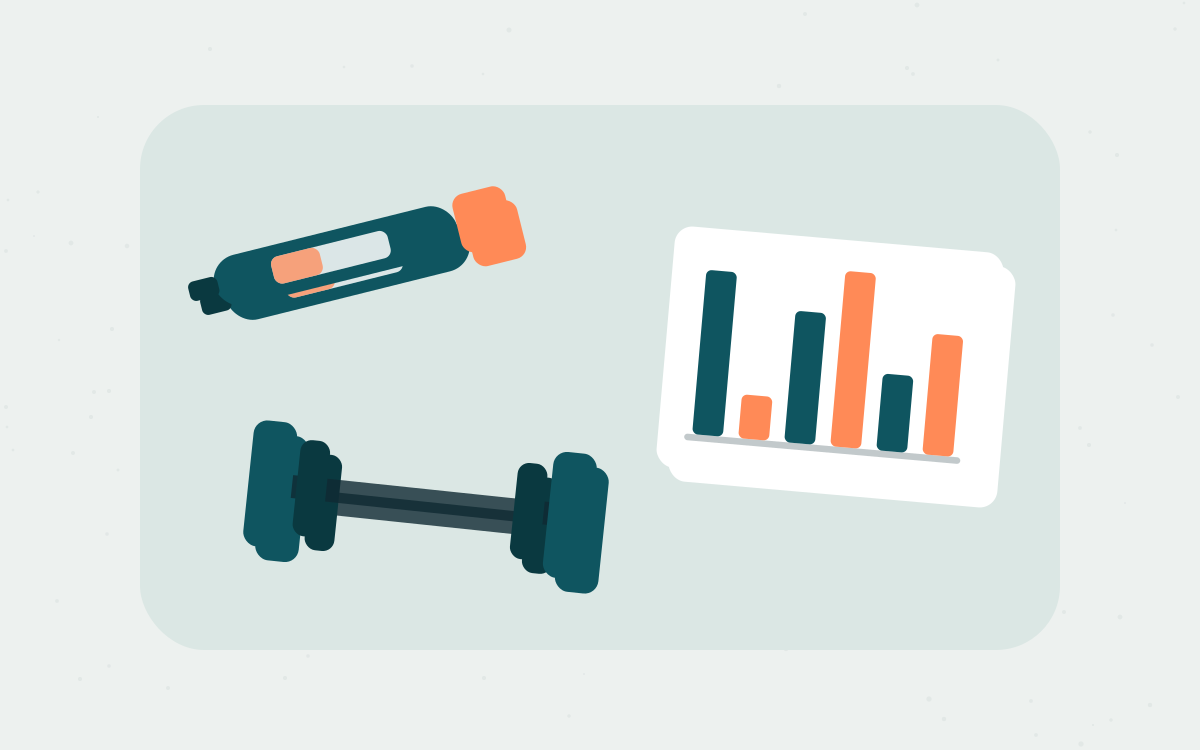
The readA clean randomized result: lifting did not slow fat loss on tirzepatide, trimmed lean tissue loss and reversed the strength decline. It came from a supervised programme in sedentary adults aged 50 to 70 without diabetes, and it does not yet show fewer falls, so the drug itself stays where it was.
Tirzepatide resistance training now has its first randomized test in older adults. In the T-REx trial, published in Nature Medicine in November 2026, people aged 50 to 70 who lifted weights three times a week while on Eli Lilly's tirzepatide lost about a quarter less lean tissue than people on the drug alone, and they got stronger while the others got weaker. Weight loss was the same in both groups. The University of Western Australia ran the study, and Lilly supplied the drug but no other funding.
How the T REx trial was designed
The trial enrolled 120 sedentary adults aged 50 to 70, split evenly between men and postmenopausal women. All had obesity, or overweight with at least one weight related condition, and none had taken an incretin drug before. People with diabetes or heart disease, and those on blood pressure or cholesterol drugs, were excluded. Everyone started weekly tirzepatide, the drug sold as Zepbound for weight, with the amount stepped up as tolerated, and nearly two thirds reached the top maintenance level. Half kept their usual routine. The other half added three supervised one hour sessions a week of tirzepatide resistance training, led by accredited exercise physiologists with steadily heavier loads. The trial lasted 40 weeks and set no diet beyond advice on fluids, protein and fibre.
Body composition was tracked with DXA scans every eight weeks. DXA separates fat from lean soft tissue, but it cannot measure skeletal muscle on its own, so lean tissue here also includes water and organs. Strength was tested on the bench press, the lat pulldown and knee extension. More than 90 percent of people completed the study, and attendance at the gym sessions was similarly high, according to a News Medical summary of the paper. The work was investigator initiated and led by Danny Green, who directs the HealthSpan Institute at the University of Western Australia. The authors state that Lilly had no role in the design, conduct or analysis. Several authors disclosed financial ties to drug companies, Lilly among them.
Lean mass and strength results
Both groups lost close to 22 kg on average, most of it fat. Fat loss came to 17.2 kg on tirzepatide alone and 18 kg with added training, so lifting did not blunt the drug's main effect. The gap showed up in lean mass. People on the drug alone lost 4.7 kg of lean tissue, against 3.6 kg in the exercise group, about 23 percent less, or roughly 1.1 kg preserved. Arm and leg lean tissue fell by 3.6 kg and 2.9 kg. The authors estimate that this matched about 2.5 kg against 2 kg of skeletal muscle. The difference was visible by week 24, when most lean loss had already happened, although arm and leg tissue kept falling slowly after that.
People on the drug alone lost 4.7 kg of lean tissue, against 3.6 kg in the exercise group, about 23 percent less, or roughly 1.1 kg preserved.
Strength moved in opposite directions. The drug only group got weaker on all three tests, while the training group got stronger even though it still lost some lean tissue. Gaps between the groups ranged from about 9 kg on the bench press to about 13 kg on the lat pulldown, with a similar benefit on knee extension, and the overall difference was close to 20 percent in favour of exercise. "Strength is a more important outcome than muscle mass because it relates to function and frailty," Green told MarketWatch. Similar shares of people in both groups reported weakness or tiredness. That suggests patients may not notice a loss of strength by themselves, which is an argument for testing it rather than waiting for complaints.
What exercise did not change
Training added no clear cardiometabolic benefit on top of the drug. Systolic blood pressure fell by roughly 15 to 17 mmHg in both groups, and glucose, insulin, HbA1c, total cholesterol and triglycerides improved in both, with HDL cholesterol unchanged. Waist size and BMI dropped by similar amounts. Side effects followed the usual incretin pattern. About half of the participants reported nausea, about a third reported constipation, diarrhoea or indigestion, and just under a quarter reported vomiting. Light headedness, low mood, tiredness and low blood pressure also appeared, and most of these settled within weeks. Exercise did not raise the rate of adverse events. Six serious adverse events occurred, and the investigators judged none of them related to the drug or the training.
| Measure at 40 weeks | Tirzepatide alone | Tirzepatide plus training |
|---|---|---|
| Average weight loss | About 22 kg | About 22 kg |
| Fat loss | 17.2 kg | 18 kg |
| Lean soft tissue loss | 4.7 kg | 3.6 kg |
| Arm and leg lean tissue loss | 3.6 kg | 2.9 kg |
| Strength on three tests | Declined | Improved |
| Extra cardiometabolic gain | Reference | None significant |
Diet did not seem to explain the gap. An exploratory look at food diaries from 57 participants found no clear difference in energy or protein intake between the groups, although diaries are a weak tool. The authors also argue that not all lean tissue loss is harmful, since part of it reflects water, organ mass and the lighter load a smaller body carries. Even so, the strength result matters more than the scan numbers for people over 50, because strength links to falls, frailty and independence. The trial was not built to show fewer falls or fractures. Nobody was followed after treatment ended, so lasting benefits and protection from muscle loss after stopping the drug remain open questions rather than findings.
Where this leaves muscle sparing drugs
Several companies are building add on drugs meant to protect muscle during incretin weight loss. MarketWatch lists Lilly's bimagrumab, now in Phase 2, and programmes from Regeneron, Scholar Rock and Veru designed to pair with tirzepatide or semaglutide. The T-REx authors present supervised training as a cheap and widely available alternative, and note that the strength effects of those drug candidates are still unclear. It is a fair challenge, but not a final answer. The study used a supervised programme with exercise physiologists three times a week, support that is hard to deliver in routine care, and it enrolled only sedentary people aged 50 to 70 without diabetes or heart disease.
Scale matters here. A CDC survey of GLP 1 use shows how many American adults now take these drugs, and most of them will never see an exercise physiologist. For the label nothing changes, since tirzepatide is already meant to be used with diet and more physical activity. What changes is the evidence on what that activity should look like, and tirzepatide resistance training now has randomized support for strength. Readers can follow tirzepatide and its rivals on our incretin class page. The next questions are whether the gains last after the drug stops, whether unsupervised or home programmes work as well, and whether the strength gap turns into fewer falls.
Conclusion
Tirzepatide resistance training in the T-REx trial kept weight loss intact, cut lean tissue loss by about a quarter and turned a strength decline into a gain in sedentary adults aged 50 to 70. It added no cardiometabolic benefit and does not show fewer falls. Tirzepatide's status is unchanged, so the signal is flat, but the case for pairing it with supervised lifting is stronger. This is research news, not medical advice.
Follow up after tirzepatide stops, trials of unsupervised or home programmes, and Phase 2 data from muscle sparing add on drugs such as bimagrumab that will be judged against this exercise benchmark.
Primary sourceGreen DJ et al., Nature Medicine, November 2026 (DOI 10.1038/s41591-026-04752-5), via News Medical 12 November 2026; MarketWatch 20 November 2026
Sources
- News Medical: Muscle benefits of lifting weights while taking tirzepatide (12 November 2026), summarising Green DJ et al., Nature Medicine, DOI 10.1038/s41591-026-04752-5
- MarketWatch via Morningstar: Here's what's been proven to help GLP-1 users from losing too much muscle from the drug (20 November 2026)
Spotted an error? Tell us through the contact form; corrections follow the corrections policy.