▲ReadoutUS5 min read
Tirzepatide food cravings stayed low after a dose cut but came back on placebo in SURMOUNT MAINTAIN
An exploratory SURMOUNT-MAINTAIN analysis shown at ObesityWeek finds hedonic hunger and cravings stayed down when patients stepped to a lower tirzepatide dose, but returned to baseline within 12 weeks on placebo, well before most weight came back.
Holds at Approved The molecule is closer to patients than before.
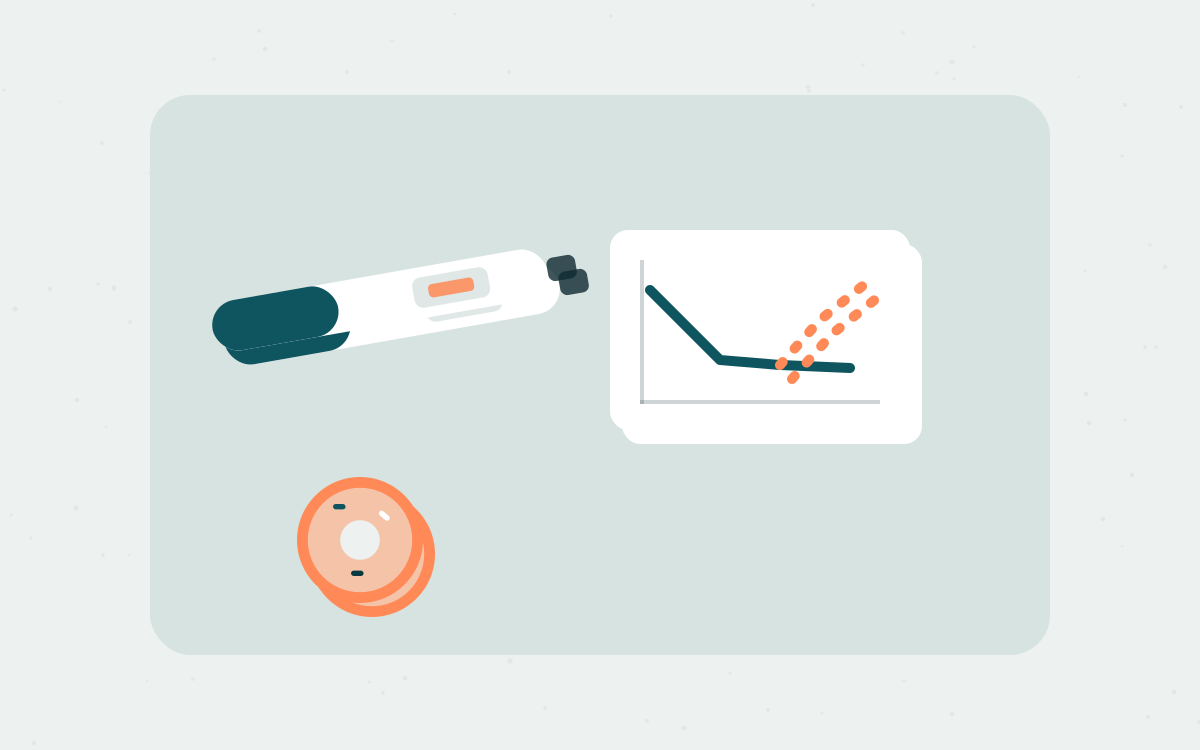
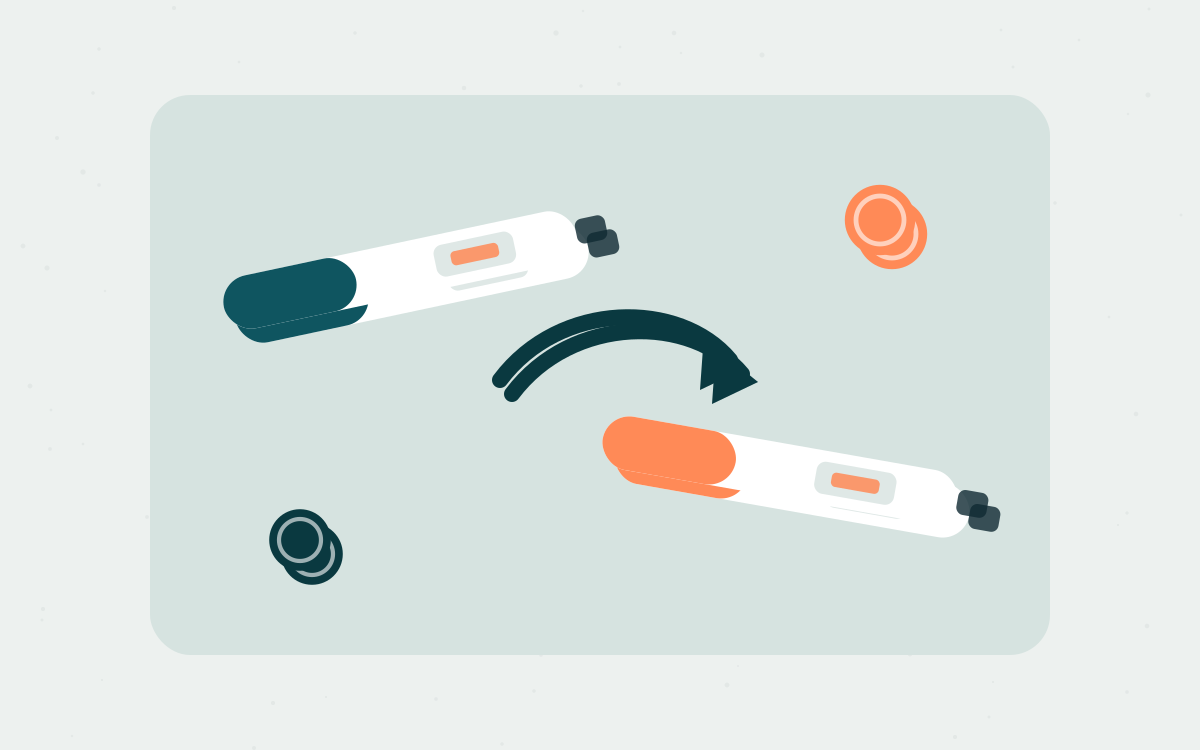
The readCravings track the drug, not the weight: they hold on a lower tirzepatide dose and rebound within weeks of stopping. That strengthens the case for long term maintenance at some dose and hints at a cheap early warning signal, but the endpoints are exploratory.
Tirzepatide food cravings stay suppressed when patients drop to a lower maintenance dose, but return within weeks when the drug is stopped, according to new data from Eli Lilly's SURMOUNT MAINTAIN trial. The analysis, shown at ObesityWeek and reported this week, adds an appetite layer to a trial that already showed weight regain after withdrawal. It also suggests cravings move before the scale does.
The trial behind the analysis
SURMOUNT MAINTAIN is a phase 3b, double blind, placebo controlled study run in the United States. According to the main results published in The Lancet in May, 441 adults with obesity first took weekly tirzepatide openly for 60 weeks. The 378 who lost at least 5 percent of their weight and tolerated a mid range dose or higher were then randomised in a three, three, two ratio for another 52 weeks. One group stayed on its maximum tolerated dose, one stepped down to a lower fixed dose, and one switched to placebo. The groups held 140, 144 and 94 people. Everyone kept receiving diet and activity counselling throughout both periods of the trial.
The main weight result sets the frame for everything else. At week 112, body weight was 21.9 percent below baseline on the maximum tolerated dose, 16.6 percent below on the lower dose and 9.9 percent below on placebo. The trial let people restart tirzepatide as rescue treatment if they regained more than half of the weight lost in the first 60 weeks. That happened to 8 percent of the full dose group, 25 percent of the lower dose group and 67 percent of the placebo group. Lilly sells tirzepatide for weight management as Zepbound in the US and as Mounjaro in many other markets.
| Outcome at week 112 | Maximum tolerated dose | Lower dose | Placebo |
|---|---|---|---|
| Randomised | 140 | 144 | 94 |
| Weight change from baseline | Down 21.9% | Down 16.6% | Down 9.9% |
| Regained half or more of loss | 8% | 25% | 67% |
| Cravings after randomisation | Fell further | Mostly held | Back to baseline |
What happened to cravings
The new analysis, from a team listed as Stanford, Wadden, Lee and colleagues, looked at two questionnaires. The Power of Food Scale measures hedonic hunger, the pull of tasty food when a person is not physically hungry. A short form of the Food Craving Questionnaire measures trait cravings. Both were prespecified exploratory endpoints. During the open label phase, scores fell by similar amounts in all three future groups, alongside weight. After randomisation the paths split. Scores climbed in people moved to placebo but stayed low in both tirzepatide groups. By week 72, only 12 weeks after the switch, both tirzepatide arms were significantly better than placebo, and the gap held at every later visit through week 112.
By week 72, only 12 weeks after the switch, both tirzepatide arms were significantly better than placebo, and the gap held at every later visit through week 112.
The timing is the point. The placebo group's hedonic hunger and cravings went back to their starting levels well before most of their weight returned, which came back more slowly. People who stayed on the full dose saw a further drop in both scores after randomisation and kept their weight off. The authors wrote that "tirzepatide withdrawal led to loss of these improvements and return to pre-treatment levels well before substantial weight regain." They concluded that the two measures could serve as early warning signs that a patient is losing the drug's effect, and could help clinicians monitor treatment response over time.
Limits of the result
These are exploratory endpoints, so the findings describe patterns rather than proven effects. The abstract summaries do not give the size of the score changes, only that the differences reached statistical significance, so it is hard to judge how much of a difference a patient would feel. Questionnaires about craving are self reported and can be swayed by knowing that weight is creeping back, although the trial was blinded. The cohort was also selected: only people who responded to and tolerated tirzepatide for 60 weeks were randomised, so the results do not cover those who struggled early. Several authors report ties to drug and device companies.
The analysis has been presented as a meeting abstract and has not yet appeared as a full paper. That matters because the full data would show how many people filled in the questionnaires at each visit and how missing answers were handled. The main trial publication is solid, and the SURMOUNT MAINTAIN journal summary from the American College of Cardiology gives its design and weight numbers. Earlier evidence on this board was weaker, such as a small Italian craving pilot with no control group. Here, a blinded, randomised comparison shows tirzepatide food cravings tracking the drug itself, not the weight alone.
What it changes for tirzepatide
For an approved molecule, the move is about how it is used, not about its stage. Many patients and payers want a way to lower the dose or stop once weight is down. SURMOUNT MAINTAIN already showed that stopping brings weight back and that a lower dose keeps most of the loss. The craving data add a reason: the appetite effect fades fast without the drug. Clinicians who try a dose step down may be able to watch tirzepatide food cravings as an early signal, before weight change shows. Real world records add context, since an earlier claims study found tirzepatide users who stay longest on low doses are common.
The finding also sharpens the cost question. If cravings return within 12 weeks of stopping, short courses are unlikely to hold their effect, and long term treatment at some dose becomes the default plan. That pushes attention toward cheaper or less frequent maintenance options across the class, from monthly injections in development to pills. It also raises a practical question this abstract does not answer: whether people who regain cravings on a lower dose can be spotted early and moved back up before weight returns. A trial built around craving scores as a trigger for dose changes would answer it.
Conclusion
The SURMOUNT MAINTAIN craving data show tirzepatide food cravings holding on a lower dose and snapping back within weeks on placebo, ahead of weight regain. The endpoints are exploratory and the paper is not yet out. A full publication with effect sizes is the next checkpoint.
A full paper with effect sizes and missing data handling, and whether Lilly seeks label language on lower dose maintenance.
Primary sourceStanford FC, Wadden TA, Lee CJ et al, ObesityWeek 2026 abstract Oral 055; Horn DB et al, Lancet 2026 (SURMOUNT-MAINTAIN main results)
Sources
Spotted an error? Tell us through the contact form; corrections follow the corrections policy.