■ReadoutGlobal27 Oct 20266 min read
CagriSema type 2 diabetes meta analysis finds a weight edge over semaglutide but little extra HbA1c gain
A Bayesian review of six randomised trials finds CagriSema lowers HbA1c and weight far more than placebo. Against semaglutide alone it adds about 5.8 points of weight loss but an uncertain 0.2 points of HbA1c.
Holds at Filed Mixed or neutral: news, but no net change in prospects.
The readAn independent review that sharpens what the amylin half of CagriSema buys in diabetes: meaningful extra weight loss, little extra glucose control. It changes nothing in the filing but frames the case Novo will have to make to prescribers and payers.
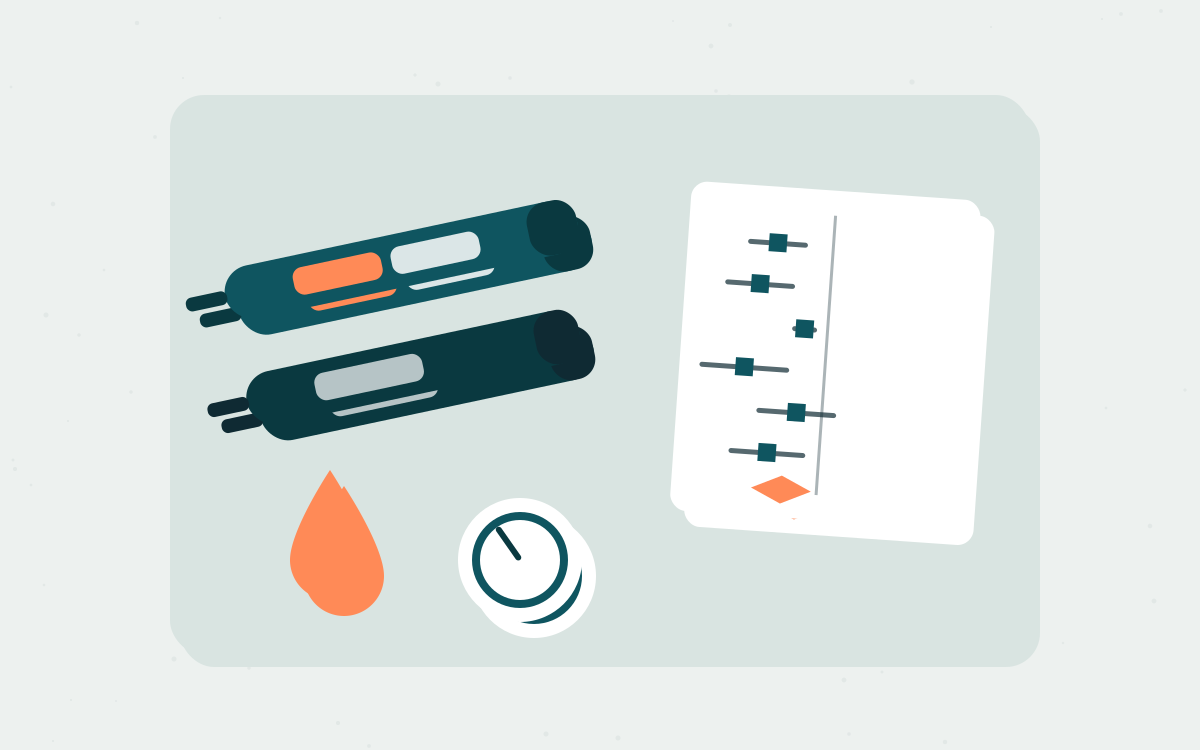
A new meta analysis of CagriSema type 2 diabetes trials finds that Novo Nordisk's weekly combination clearly beats placebo on blood sugar and weight, but adds little on blood sugar over semaglutide alone. The review, by researchers based mainly in Malaysia, appeared online in Diabetes, Obesity and Metabolism on 27 October. It pools six randomised trials using Bayesian methods. The weight edge over semaglutide looks real; the HbA1c edge does not. CagriSema stays filed on our board, with a US decision on weight management expected this quarter.
How the Bayesian meta analysis was built
The authors, led by C S Kow of the School of Pharmacy at IMU University in Kuala Lumpur, searched PubMed, Embase, the Cochrane CENTRAL register and ClinicalTrials.gov for randomised trials up to 30 June 2026. They found six trials covering 4,554 potentially eligible people with type 2 diabetes. Instead of lumping every arm together, they split the analysis by CagriSema dose and by comparator, so that results against placebo and against semaglutide are kept apart. That matters because CagriSema is cagrilintide, a long acting amylin analog, given with semaglutide, and the obvious question for any doctor is how much the amylin part adds. The abstract does not list the six trials by name, so readers cannot yet check which studies drive each estimate.
The method is Bayesian random effects modelling. Rather than a single best estimate with a p value, it gives a posterior median and a 95 percent credible interval, the range within which the true effect most likely sits given the data and the model. Where trials reported it clearly, the authors used the efficacy or trial product estimand, which assumes people kept taking the drug as assigned, and they checked treatment policy estimates in sensitivity analyses. That choice tends to make effects look somewhat larger than an intention to treat reading. It is a fair way to ask what the drug can do, but a less direct answer to what happens in routine care, where some people stop.
What CagriSema added over placebo and semaglutide
Against placebo, the full dose of CagriSema lowered HbA1c by 1.87 percentage points more, with a credible interval of 1.62 to 2.08, and cut body weight by 12.69 percentage points more, with an interval of 11.61 to 13.78. Against semaglutide at a matched dose, the picture splits. The extra HbA1c reduction was only 0.21 points, and the interval ran from a 0.62 point gain to a 0.11 point loss, so the authors call it modest and uncertain. The extra weight loss was 5.84 points, with an interval of 2.15 to 10.08, which they describe as probable. Compared with semaglutide alone, the combination added about 5.8 points of weight loss but only about 0.2 points of HbA1c.
Compared with semaglutide alone, the combination added about 5.8 points of weight loss but only about 0.2 points of HbA1c.
| Comparison | Extra HbA1c change | 95% credible interval | Extra weight change | 95% credible interval |
|---|---|---|---|---|
| CagriSema vs placebo | minus 1.87 points | minus 2.08 to minus 1.62 | minus 12.69 points | minus 13.78 to minus 11.61 |
| CagriSema vs dose matched semaglutide | minus 0.21 points | minus 0.62 to plus 0.11 | minus 5.84 points | minus 10.08 to minus 2.15 |
The pattern fits what the earlier trials suggested. In the 2023 phase 2 study published in The Lancet, 92 people with type 2 diabetes on metformin were randomised to CagriSema, semaglutide or cagrilintide for 32 weeks. HbA1c fell by 2.2 points on the combination and 1.8 on semaglutide, a gap that missed statistical significance. Weight told a different story: 15.6 percent lost on CagriSema against 5.1 percent on semaglutide. The new review gives that early signal a larger base. Amylin seems to add appetite control more than glucose control once semaglutide is already doing most of the glucose work. For a drug aimed at people who need both, the extra weight loss is the stronger argument.
Tolerability and what remains uncertain
Side effects were the expected price. Against placebo, gastrointestinal adverse events were about 2.3 times as likely on CagriSema, with a credible interval of 1.81 to 3.00, and stopping treatment because of an adverse event was about 3.2 times as likely, with a wide interval of 1.50 to 6.87. Against semaglutide, the estimates were less precise, and the authors say comparative stomach tolerability and dropout risk remain uncertain. That is an honest reading, because only a few trials compared the two drugs directly, and most of the head to head data come from small or mid sized studies. A wide interval means the true dropout risk could be modestly higher or several times higher than on placebo.
The largest single trial in this population is REDEFINE 2, published in the New England Journal of Medicine in 2025. It randomised 1,206 adults with type 2 diabetes and a BMI of at least 27 to CagriSema or placebo for 68 weeks. Weight fell by 13.7 percent against 3.4 percent, and 73.5 percent of treated people reached an HbA1c of 6.5 percent or lower, against 15.9 percent on placebo. Gastrointestinal events hit 72.5 percent on drug and 34.4 percent on placebo, mostly mild or moderate. Readers can see the full REDEFINE 2 trial abstract for the design. REDEFINE 2 compared CagriSema only with placebo, so it cannot settle the semaglutide question.
What it means for the CagriSema type 2 diabetes case
The review comes from academic authors rather than from Novo, but it summarises published trials and adds no new patients, so we log it as a readout with a flat signal. CagriSema is filed with the FDA for weight management, a filing Novo made in December 2025 with a decision expected in the fourth quarter of 2026. A separate glucose lowering claim would rest on the REIMAGINE programme, which tests the combination in type 2 diabetes. Our earlier story on CagriSema weight loss in women covers the obesity side of the record. For context on the class, our board lists every amylin molecule by stage, from early analogs to this filed combination.
The practical message of the Diabetes, Obesity and Metabolism review is about positioning. If CagriSema is approved, the CagriSema type 2 diabetes argument will rest mainly on extra weight loss, with glucose control close to what semaglutide already provides. That shapes how payers may weigh the two drugs against each other. It also sharpens the comparison with tirzepatide: Drug Topics reports that in REDEFINE 4, CagriSema did not show noninferiority to tirzepatide on weight loss. The review has limits of its own: six trials, mixed estimands, and few direct comparisons. A peer reviewed full text with the trial list and risk of bias tables will matter more than the abstract.
Conclusion
This Bayesian review of CagriSema type 2 diabetes trials confirms large gains over placebo and a weight advantage of about 5.8 points over semaglutide, but finds the extra HbA1c benefit small and uncertain. Stomach side effects and dropouts rise against placebo, and the comparison with semaglutide is still imprecise. CagriSema stays filed, and the next checkpoint is the FDA decision on weight management expected in the fourth quarter of 2026. This story is research news, not medical advice.
The FDA decision on CagriSema for weight management expected in the fourth quarter of 2026, and full REIMAGINE results in type 2 diabetes.
Primary sourceKow CS et al. Efficacy and Safety of CagriSema in Type 2 Diabetes: A Dose and Comparator Specific Systematic Review and Bayesian Meta Analysis. Diabetes Obes Metab, online 27 October 2026
Sources
- Kow CS et al. Efficacy and Safety of CagriSema in Type 2 Diabetes: Bayesian Meta-Analysis. Diabetes Obes Metab 2026 (PubMed 42935221, doi 10.1111/dom.71485)
- Davies MJ et al. Cagrilintide-Semaglutide in Adults with Overweight or Obesity and Type 2 Diabetes (REDEFINE 2). N Engl J Med 2025 (PubMed 40544432)
- Frias JP et al. Co-administered cagrilintide with semaglutide in type 2 diabetes, phase 2. Lancet 2023 (PubMed 37364590)
- Drug Topics: CagriSema reduces weight in women across menopause stages, HT use (REDEFINE 4 context)
Spotted an error? Tell us through the contact form; corrections follow the corrections policy.